The first step of the AUBACKE therapy is understanding your very personal anxiety. In a detailed conversation – deliberately away from the dental chair – you describe, in your own words, your past experiences, fears, and expectations.
In doing so, we identify no treatment takes place beforehand, except in cases of acute pain or emergencies.
The goal of the anxiety analysis is to understand your individual history with anxiety and identify the triggers behind your dental fear. If you wish, you're welcome to bring someone you trust. In cases of severe anxiety, the conversation can also take place outside the practice.
You set the pace – we listen.
2. Examination
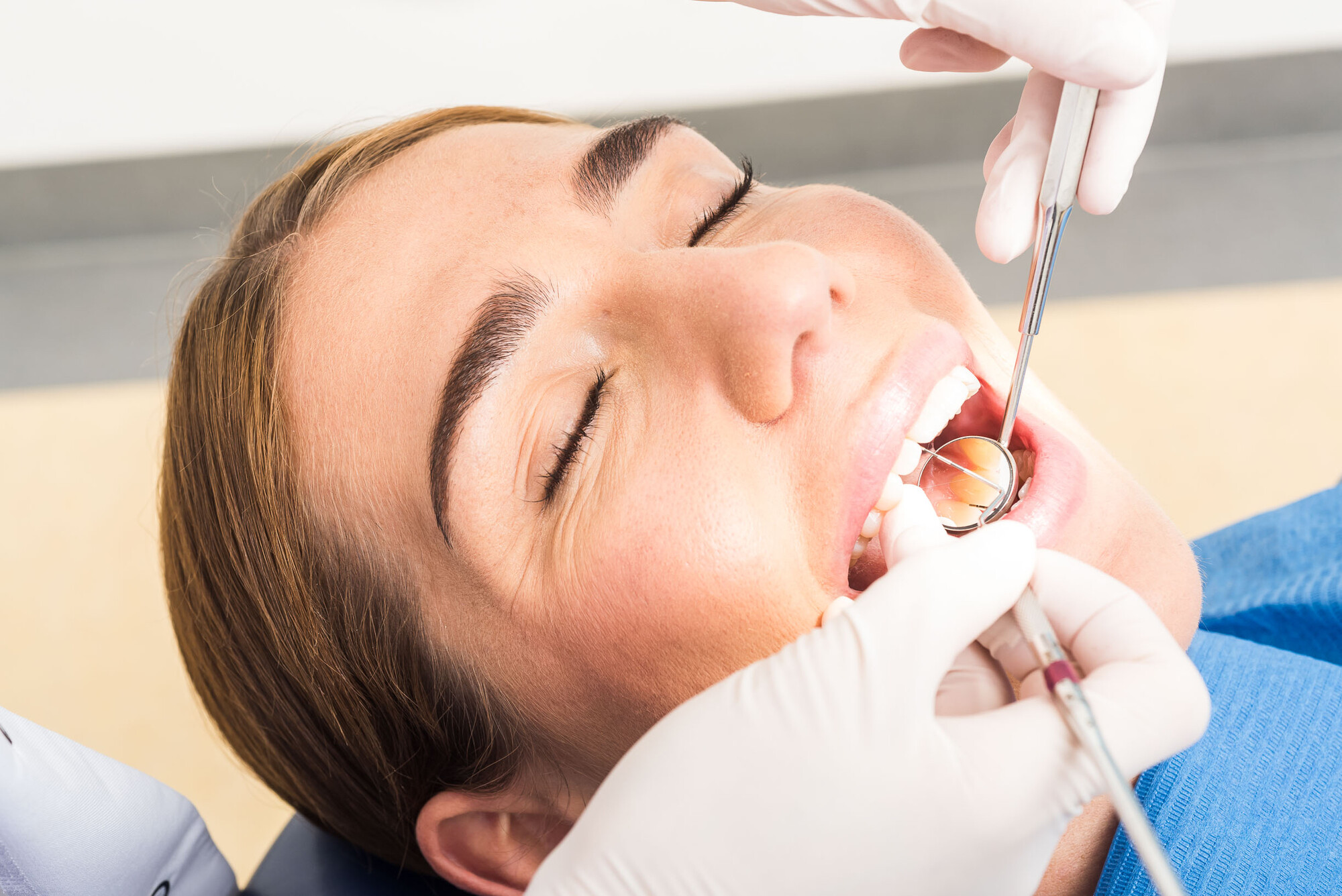
In the second step of overcoming anxiety, a gentle dental examination takes place. Your dental status is assessed without a probe to avoid triggering fear; beforehand, a personal stop signal is agreed upon so you retain control at all times.
It's important to distinguish between the objective dental findings (the dentist's assessment) and the subjective dental findings (your own perception, wishes, and ideas). If a solution exists based on the objective findings, that possible treatment step is discussed first – experience shows that problems you recognize yourself increase your willingness to move forward with treatment.
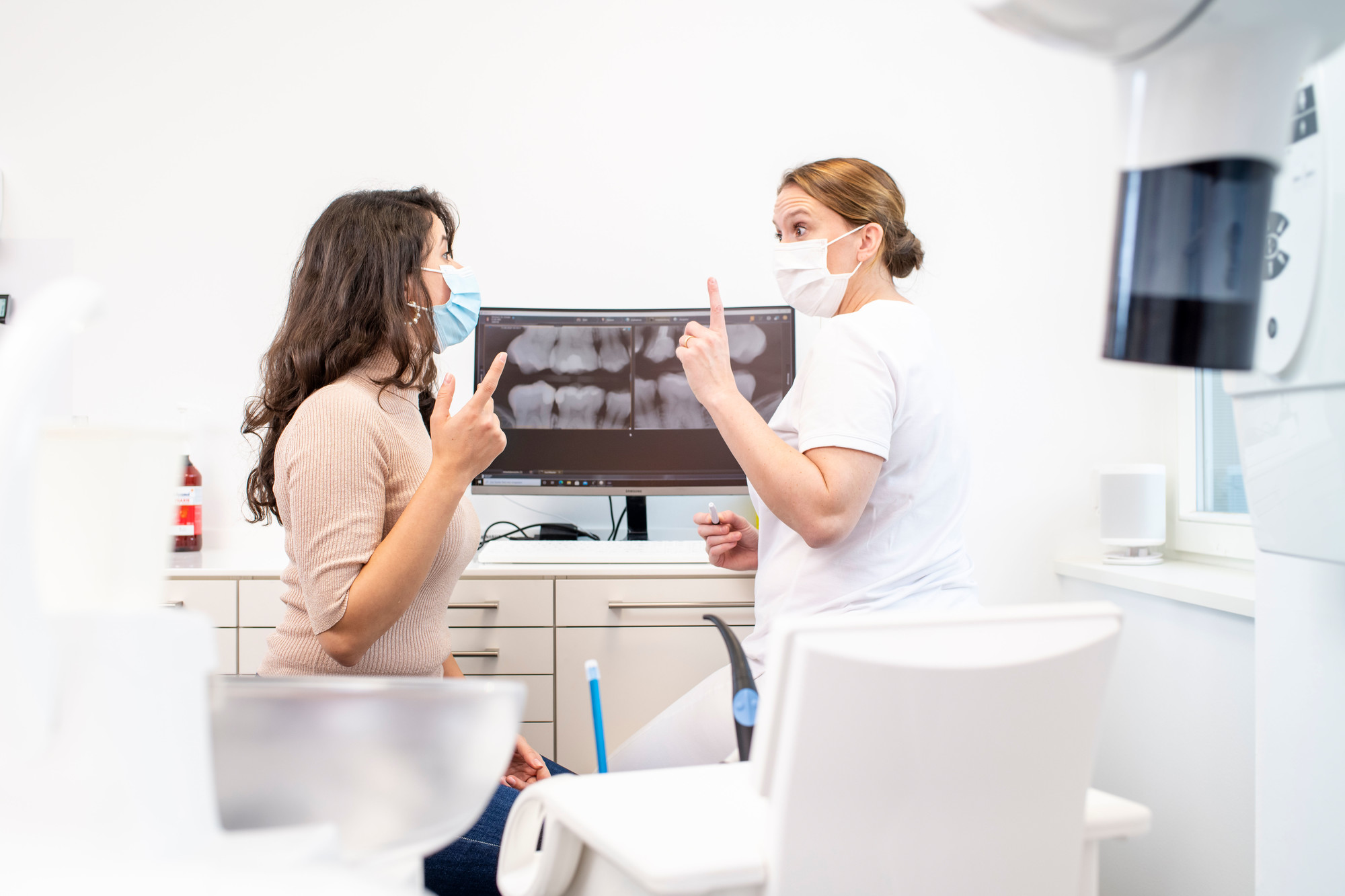
In addition, the anxiety questionnaire is completed, psychological tests are evaluated, and diagnostic referrals are arranged if needed. X-rays are usually taken, typically a panoramic image of all teeth (OPG), supplemented by individual images if necessary.
3. Consultation
During the consultation, you're informed about dental treatment anxiety clarified: it's a serious anxiety disorder that, by causing avoidance of dental visits, can harm both dental and overall health. At the same time, it's put into perspective that while many people find dental treatments unpleasant, only a small portion of the population suffers from severe anxiety.
Following this, there is preliminary treatment planning. During this, psychological anxiety-management techniques (such as exposure therapy) are explained, along with alternatives like medication or general anesthesia. Your dental findings are discussed (tooth preservation, treatment options, gums, dentures). You make the final decision on the treatment path yourself, with the dentist advising along the way. A trial treatment can help build confidence in your decision.
4. Getting started
The initial treatment proceeds step by step according to your individual anxiety hierarchy. You're clearly informed about the procedure beforehand and start with treatments that are as low-anxiety and well-tolerated as possible. Alternative options such as sedation or general anesthesia are discussed with you, and the anxiety hierarchy is continuously adjusted along the way.
The central principle is systematic desensitization following the MiniMax principle: minimal anxiety for maximum benefit. After each exercise, a short follow-up discussion takes place, reflecting on the course of anxiety, thoughts, physical reactions, behavior, and possible avoidance, so the next step can be planned with confidence.
5. Surgery
In the success and maintenance phase, you have overcome your anxiety and your teeth have been restored. The goal is to maintain this state long-term and address any newly arising fears early on. This is achieved through regular preventive care and structured Recall-System follow-up schedule for check-up appointments.
Similar to a booster, any remaining residual anxiety can be discussed with the practitioner as needed and serves to prevent relapse. It's also important not to fall back into avoiding dental treatment, but to keep dealing with it openly, in order to secure the treatment's success in the long term.
6. Aesthetics
In the second step of overcoming anxiety, a gentle dental examination takes place. Your dental status is assessed without a probe to avoid triggering fear; beforehand, a personal stop signal is agreed upon so you retain control at all times.
It's important to distinguish between the objective dental findings (the dentist's assessment) and the subjective dental findings (your own perception, wishes, and ideas). If a solution exists based on the objective findings, that possible treatment step is discussed first – experience shows that problems you recognize yourself increase your willingness to move forward with treatment.
In addition, the anxiety questionnaire is completed, psychological tests are evaluated, and diagnostic referrals are arranged if needed. X-rays are usually taken, typically a panoramic image of all teeth (OPG), supplemented by individual images if necessary.
7. Success
During the consultation, you're informed about dental treatment anxiety clarified: it's a serious anxiety disorder that, by causing avoidance of dental visits, can harm both dental and overall health. At the same time, it's put into perspective that while many people find dental treatments unpleasant, only a small portion of the population suffers from severe anxiety.
Following this, there is preliminary treatment planning. During this, psychological anxiety-management techniques (such as exposure therapy) are explained, along with alternatives like medication or general anesthesia. Your dental findings are discussed (tooth preservation, treatment options, gums, dentures). You make the final decision on the treatment path yourself, with the dentist advising along the way. A trial treatment can help build confidence in your decision.
Yes, with the right support and positive experiences, anxiety can be significantly reduced in the long term.
Privacy Policy
Um dir ein optimales Erlebnis zu bieten, verwenden wir Technologien wie Cookies, um Geräteinformationen zu speichern und/oder darauf zuzugreifen.
Funktional
Always active
Die technische Speicherung oder der Zugang ist unbedingt erforderlich für den rechtmäßigen Zweck, die Nutzung eines bestimmten Dienstes zu ermöglichen, der vom Teilnehmer oder Nutzer ausdrücklich gewünscht wird, oder für den alleinigen Zweck, die Übertragung einer Nachricht über ein elektronisches Kommunikationsnetz durchzuführen.
Präferenzen
Die technische Speicherung oder der Zugriff ist für den rechtmäßigen Zweck der Speicherung von Präferenzen erforderlich, die nicht vom Abonnenten oder Benutzer angefordert wurden.
Statistiken
Die technische Speicherung oder der Zugriff, der ausschließlich zu statistischen Zwecken erfolgt.Die technische Speicherung oder der Zugriff, der ausschließlich zu anonymen statistischen Zwecken verwendet wird. Ohne eine Vorladung, die freiwillige Zustimmung deines Internetdienstanbieters oder zusätzliche Aufzeichnungen von Dritten können die zu diesem Zweck gespeicherten oder abgerufenen Informationen allein in der Regel nicht dazu verwendet werden, dich zu identifizieren.
Marketing
Die technische Speicherung oder der Zugriff ist erforderlich, um Nutzerprofile zu erstellen, um Werbung zu versenden oder um den Nutzer auf einer Website oder über mehrere Websites hinweg zu ähnlichen Marketingzwecken zu verfolgen.